
From routine check-ups to complex conditions, Dr Karen Kong provides comprehensive gynaecological care in a respectful and supportive environment.
Pregnancy is one of life’s most important journeys. Dr Karen Kong offers personalised, attentive obstetric care to ensure you feel informed, supported, and confident throughout.
Expert care for women’s health at every stage
Obstetric Care
Services include:
Pre-pregnancy planning and fertility guidance
Antenatal care and routine pregnancy monitoring
Management of high-risk pregnancies
Birth planning and delivery (private and public hospital options)
Postnatal care and recovery support
Dr Kong works closely with you to create a birth experience that aligns with your preferences while prioritising safety for both mother and baby.
Gynaecology Services
Services include:
Routine gynaecological exams and cervical screening
Contraception advice and management
Menstrual concerns and hormonal issues
Management of conditions such as endometriosis, fibroids, and PCOS
Menopause care and hormone therapy
Minimally invasive surgical procedures
Every consultation is tailored to your individual needs, ensuring you feel heard, understood, and empowered in your healthcare decisions.
-
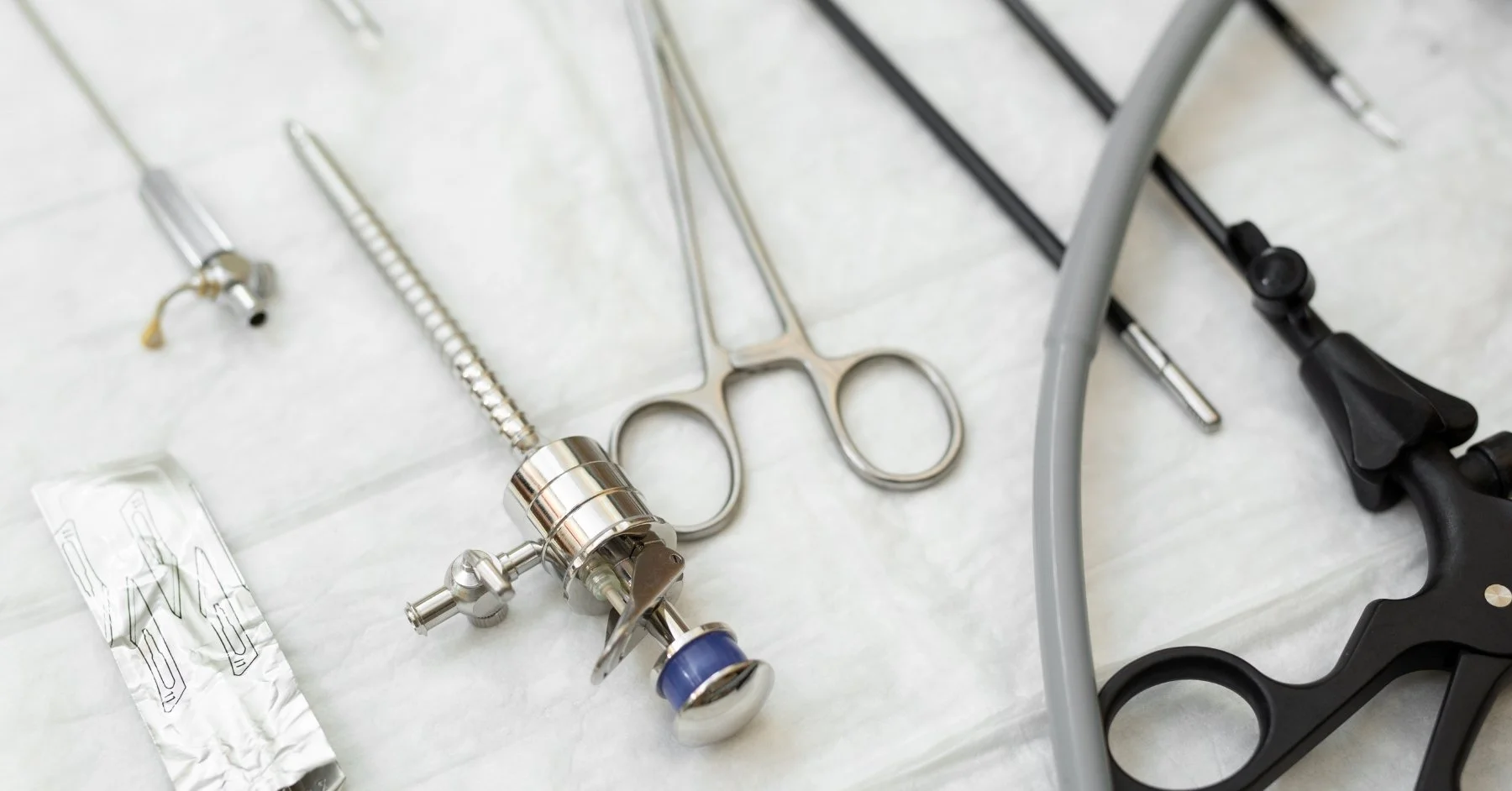
Laparoscopy (Minimally Invasive Surgery)
Laparoscopy is a keyhole surgical procedure used to examine the uterus, ovaries, and fallopian tubes. It can help assess tubal patency and diagnose or treat conditions such as endometriosis, fibroids, or uterine abnormalities. As a minimally invasive option, it allows both investigation and treatment with reduced recovery times.
-
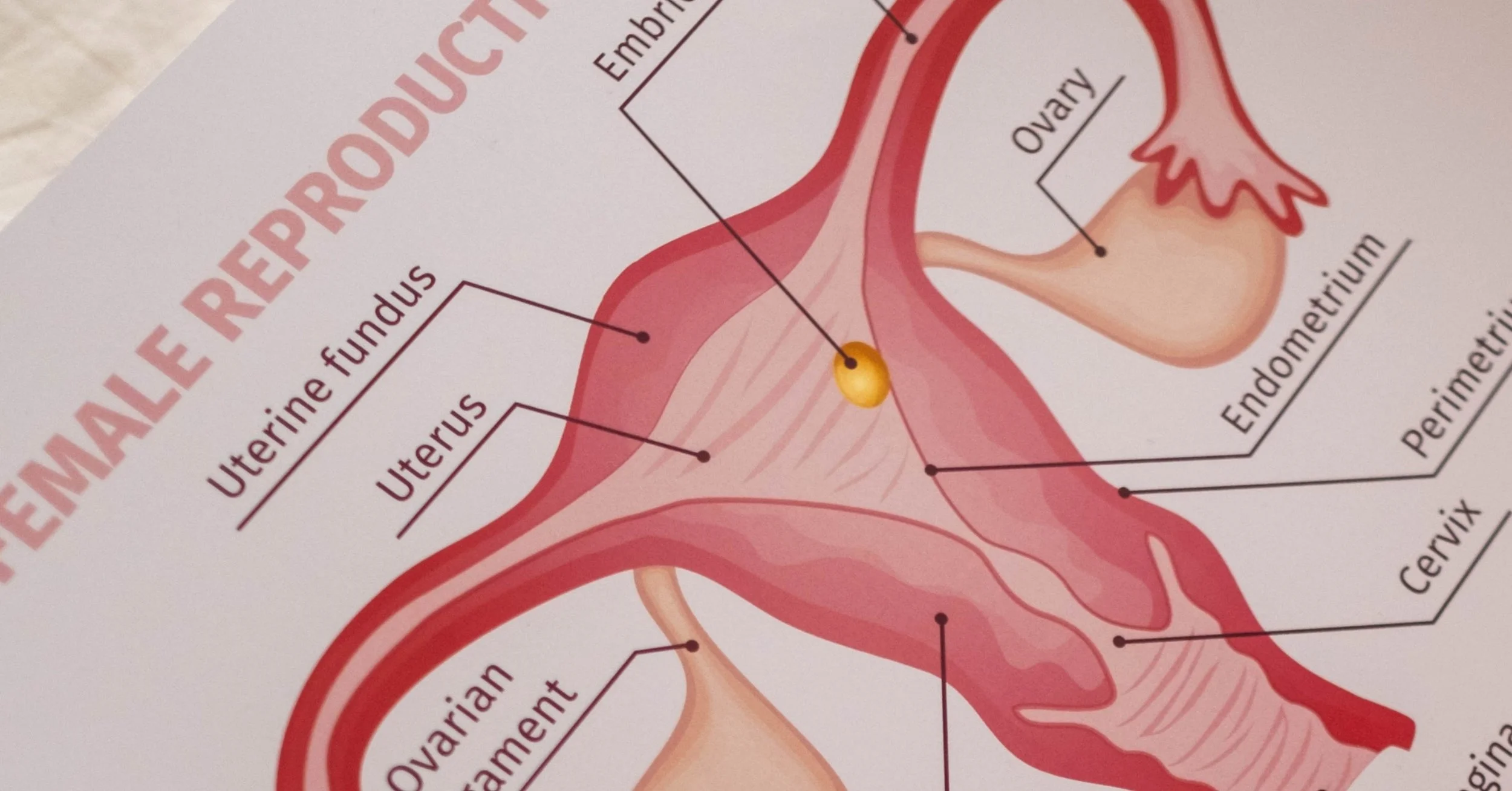
Hysteroscopy
Hysteroscopy is a procedure that uses a thin, lighted tube to view the inside of the uterus. It helps diagnose and treat conditions linked to abnormal bleeding by allowing doctors to see the cervix and uterine cavity clearly. This direct approach makes it easier to identify causes of symptoms and guide treatment options.
-
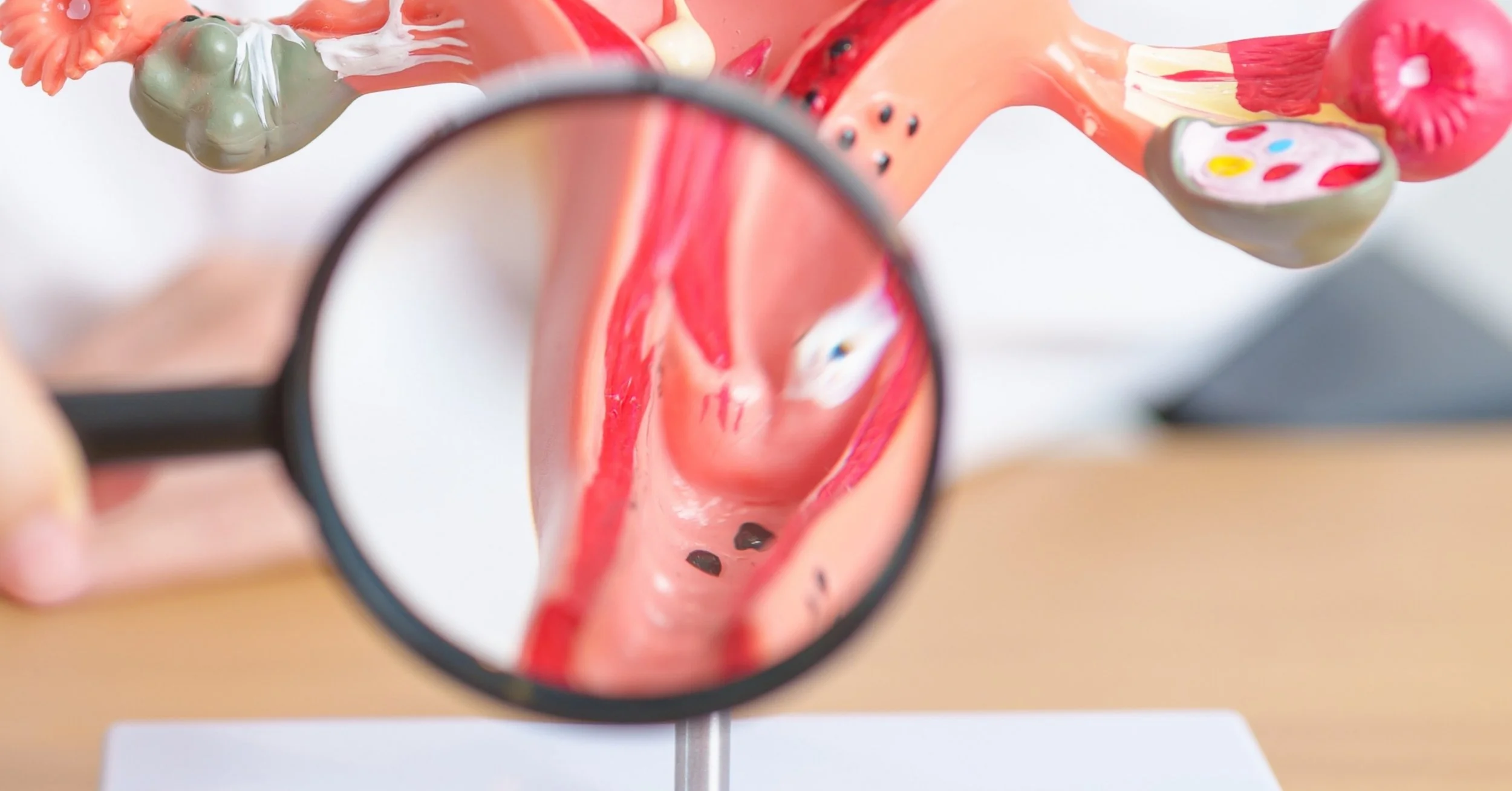
Heavy Menstrual Bleeding – Fibroids
Fibroids are non-cancerous growths in the muscular wall of the uterus and are common in women of reproductive age. While usually harmless, large fibroids may cause heavy menstrual bleeding, discomfort, or anaemia. Identifying and managing fibroids can help reduce symptoms, improve quality of life, and support fertility outcomes.
-

Pelvic Pain – Endometriosis
Endometriosis occurs when tissue similar to the uterine lining grows outside the uterus, often affecting the pelvic area. This can cause pain, heavy periods, and fertility difficulties. It is a common condition, particularly in women over 30, and can be effectively diagnosed and managed with the right support and treatment.
-
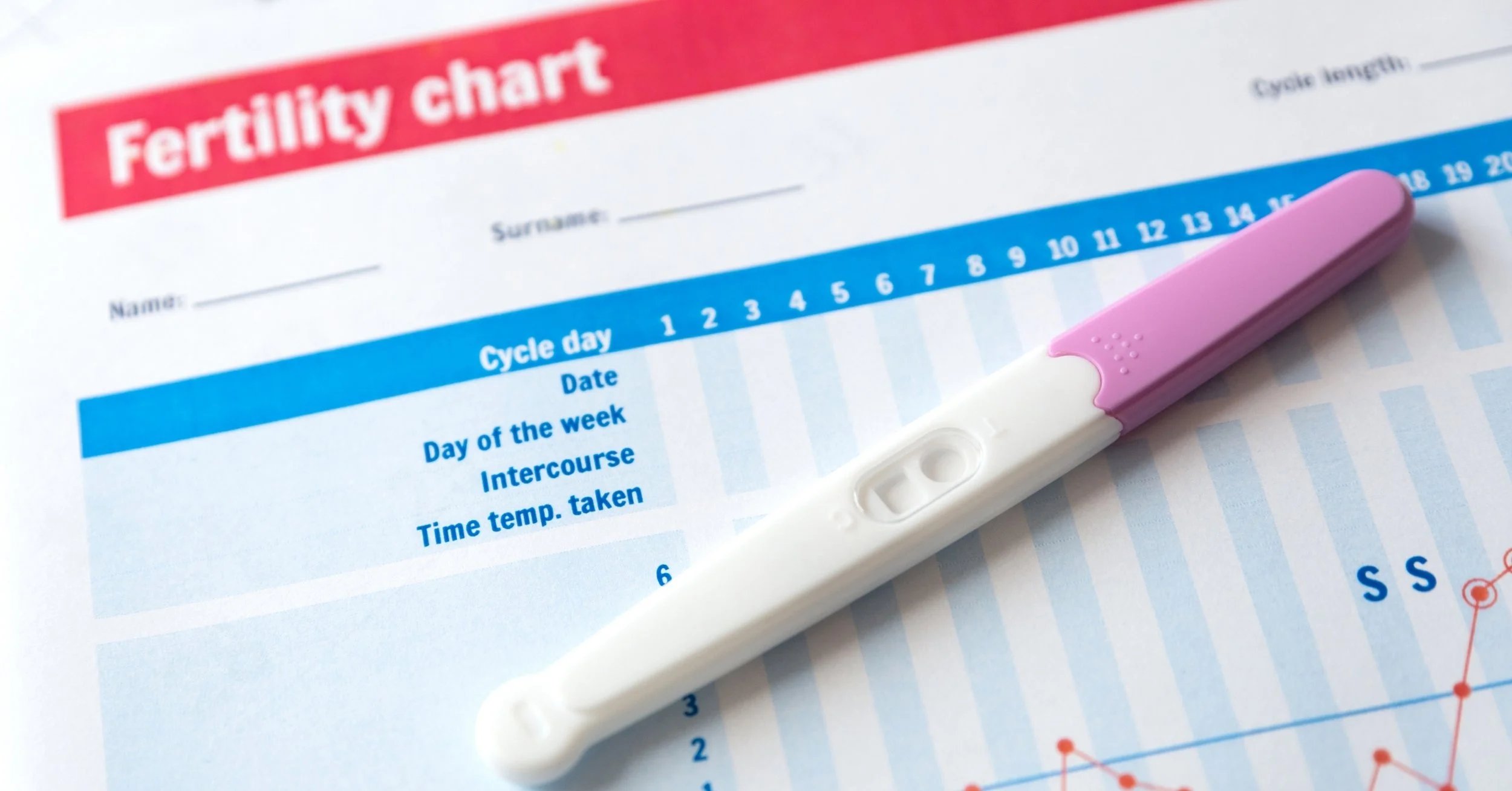
Female Fertility Tests
A range of tests can help identify potential causes of fertility challenges. Blood tests and ultrasounds are used to check ovulation and detect conditions such as PCOS or endometriosis. Additional testing includes:
AMH (Egg Count) Test – A blood test that measures ovarian reserve.
Genetic Testing – Screening for inherited conditions.